The Shift to Prevention™
This is not a white paper. It is the operating manual for a prevention-first shelter system, written by someone who built one from scratch in Central Alabama. Twelve chapters. Ten appendices. A foreword by Sara Pizano of Team Shelter USA. If you are running a shelter or a rescue and you are tired of managing the same crisis every season, this is where you start. Built for shelter directors, rescue leaders, municipal animal services, veterinarians, social workers, and advocates.
The Shift to Prevention is becoming a book, and Volume 2, a hands-on guide to putting the prevention programs to work, is in progress. Join the list and we'll email you the moment each one is ready.
We will only use your email to tell you when The Shift to Prevention and Volume 2 publish. We will not share your information.
Notify Me When It's ReadyThe System Steps In Too Late
Reactive vs. Prevention
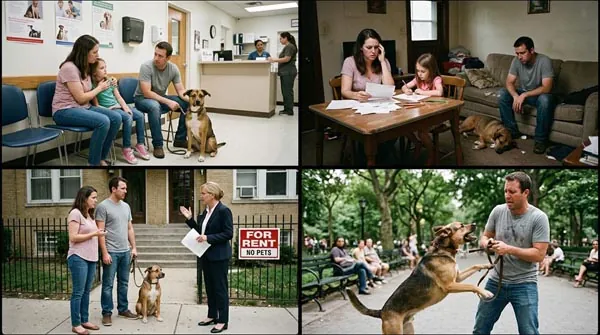
Right now, most animal welfare resources focus on fixing problems after they happen. A family loses housing, their pet goes to a shelter. An owner can't afford a vet visit, the pet ends up surrendered. A behavior issue develops, the animal is deemed unadoptable.
But what if we stopped the problem before it started? What if we invested in the reasons families end up in shelters instead of managing the fallout?
The Scale of the Problem
From the Shelter Animals Count 2025 Annual Data Report, a program of the ASPCA. National numbers for dogs and cats entering U.S. shelters and rescues.
Intake is dropping, which means prevention works. The population gap is still growing, which means we are not doing enough of it.
Inside the Guide
A foreword by Sara Pizano, DVM, MA, plus twelve chapters and ten appendices designed to help you understand, build, and sustain prevention-first animal welfare systems.
By Sara Pizano, DVM, MA
The book opens with a foreword by Sara Pizano of Team Shelter USA, a national voice in animal services and shelter reform.
Why I Built This
The overflowing bathtub, maintenance versus repair, what nobody wants to talk about, building something different, and why one person built a network from scratch.
The Missing Piece
The bathtub problem, what the system was built to do, the $42 million question, and what this guide is and what it is not.
Why Families Surrender
Six years of national data, what Alabama looks like, the rural dimension, the housing crisis in numbers, the damage myth, the breed myth, and what the data misses.
What Prevention Looks Like
Six categories of prevention: spay/neuter access, crisis stabilization, housing support, behavioral intervention, resource navigation, and community engagement.
Programs That Work
Every AAF program in detail. Pet Help Desk, SNIP, The Bridge and its six sub-programs, Foster-to-Train, Adoption Boost, Sniff and Greet, and how they connect.
Going to the Community
Door-to-door versus events, the canvass model, high-impact clinics, Pet Care Connect, municipal prevention funding, and why presence beats programs.
Building the Network
Why silos multiply the problem. Who belongs in the network, the first 90 days, scaling from three partners to many, MOUs, cross-state coordination, and the AWRN as a working model.
One System. Every Partner.
The coordination failure, how every other industry solved it, the AWRN today, Pet Crisis Radar, what partners get when they join, and the cost of staying disconnected.
Changing the Narrative
Stereotypes that hurt families, the SPARC messaging framework, replacing myths instead of debunking them, and telling the system's story without shame or blame.
Making the Case
Language that works with boards, municipal funders, donors, and landlords. The ESA legal landscape, the Sponsor Impact Calculator, and the one-page argument.
Measuring What Matters
Six metrics that tell the prevention story, dashboards for different audiences, the AWRN Intelligence Center, benchmarking against national numbers, and the quarterly report template.
Where to Start
This week, the 90-day pilot, year one, the mindset shift, and the invitation to join something that is already working.
Appendices: Tools, Data, and Resources
Ten appendices packed with AWRN screenshots, the technology roadmap, cost comparisons, surrender data, the full partner ecosystem, conversation starters, AI tools, the HASS Budget Calculator, recommended reading, and sample documents.
Who This Is For
Shelter Directors
Facing intake surges and looking for systemic solutions beyond adoption.
Rescue Organization Leaders
Ready to shift from rescue to prevention and build community partnerships.
Municipal Animal Services
Government leaders seeking cost-effective alternatives to traditional shelter models.
Veterinary Professionals
Vets ready to integrate preventive care partnerships into their practice.
Board Members
Governance leaders asking how to scale impact and serve more families.
Animal Welfare Advocates
Reformers who believe change starts with prevention, not rescue.
About Animal-Angels Foundation
Animal-Angels Foundation is a prevention-first animal welfare organization serving seven counties in Central Alabama. We don't rescue animals. We keep families together by changing the reasons they end up in shelters.
Our interconnected network of partners, The Bridge crisis support system, and community-first approach to animal welfare is what you'll learn to implement in this guide.
Our Core Programs
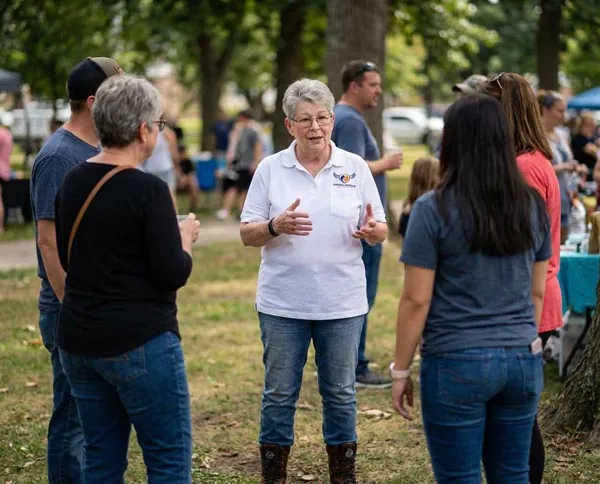
"The Shift to Prevention guide by the Animal-Angels Foundation is a must-read for all municipal leaders and non-profit animal welfare organizations but most importantly for anyone who cares deeply about helping pets and people in need in their community. The traditional animal welfare system is not designed for our lifesaving goals today and enhancing pathways for basic care or temporary help to prevent a crisis that leads to intake is of paramount importance. Thank you Animal-Angels Foundation for helping to right the system!"
See Prevention in Action
Lisa called our Pet Help Desk from a hospital bed. Eleven days of follow-up texts later, her dog Buddy was safe in a crisis foster home, and Lisa could heal knowing he was waiting for her. Read the full story of how The Bridge works in practice.
The Work Continues
The book lays out the case. The Substack keeps going. The Shift to Prevention newsletter picks up where the book leaves off, with new stories from the field, real-time data from the work, and what we're learning as prevention infrastructure rolls out across Central Alabama and beyond. Free. Weekly. Tuesday mornings.
Ready to make the shift?
The Shift to Prevention is becoming a book, and Volume 2, on implementing the prevention programs, is in the works. Join the list and we will tell you the day each one is ready.